
The Best Virus Malware Cleaner For Mac
According to Malwarebytes, 2017 saw a 230% spike in malware activity within Mac ecosystem. The notable examples include Proton Remote Access Trojan and KeRanger virus. But whatever is that ends with “-ware” on your Mac — ransomware, adware, malware, or scareware — we’ll share a couple of methods to delete it. So, welcome to our Mac Malware Removal Guide.
Mac malware: The symptoms
Oftentimes a malware app would trick you into believing it’s perfectly harmless. Such apps are known to disguise themselves as antiviruses, extractors or video players. But how to check your Mac for viruses? Here are some of the tell-tale signs:
What is the best way to clean my Mac, is a question we frentently get asked. Mac computers can get virus or slow down the same way a windows computer does. That's why a good mac cleaner is very important and will keep your Mac running like new. We recommened using a Mac Cleaner regulary to avoid having any issues with your Mac.
- A sudden drop in Mac’s performance or frequent freeze-ups.
- Pages that you visit get obscured with ads.
- Unexpected Mac reboots or apps starting for no reason.
- Your browser installs suspicious updates automatically.
How to remove a virus from Mac
Just as with any disease, to doctor a virus you need to remove the infected part of your software — as simple as that.
Avira Free Antivirus for Mac. The software is equipped with standard spyware and adware protection, along with the ability to intercept harmful websites and block tracking. Plus, it comes bundled with 5GB of online storage in addition to one-click deletion of malicious files. Home Mobile Android 8 Best Malware Removal Tools for Windows and Mac (2018) 8 Best Malware Removal Tools for Windows and Mac (2018). Malwarebytes has software for Windows, Mac. The best antivirus and malware cleaner tool comes as both free and premium versions. Most noteworthy is that the premium version does not offer Real-time protection. Despite what you may have heard, your Apple computer is not immune to malware. We test the top contenders to identify those offering the best Mac antivirus protection.
Remove malware from Mac manually
If you know which app on your Mac is malicious, you’re half-way through the problem. First of all, you need to close the app and then root it out from the system processes.
- Open Activity Monitor (type its name in the Launchpad).
- Locate the problematic app in the Processes.
- Use [x] button to quit the process
Now go back to your Applications and move the app to the Trash bin. Immediately empty the Trash.
This method is simple, but for the best malware removal results, you’d have to invest a bit more time. There are still parts and pieces of the virus app scattered around your system folders. It’s a bit like killing a dragon that re-grows its head after you’ve chopped it off. To remove malware from your Mac completely, it’s better to use a powerful uninstaller.

Do a quick search for virus-infected .DMG files within your Downloads. The potential culprits could be recently downloaded files, especially media-related ones. Delete them and empty the Trash bin.
Get rid of malware using CleanMyMac X
CleanMyMac X has a 10-year reputation of guarding Macs around the world. The app will scan your Mac for any vulnerabilities and offer immediate removal if it finds something suspicious. CleanMyMac detects thousands of malware threats, including viruses, adware, spyware, ransomware, cryptocurrency miners, and more. The app’s database is regularly updated to keep all those “-wares” away from your Mac.
Here’s how to remove malware from your Mac:
- Download CleanMyMac X — it’s free to download.
- Click Malware Removal tab.
- Click Scan.
- Click Remove.
- Done!
How to remove Mac Adware cleaner
Ironically, the app called “Mac Adware cleaner” maybe itself be the very source of annoying adware on your Mac — the classic case of a wolf in a sheep’s skin. To remove it, you can use CleanMyMac (which is a legit app that has a 4.5-star rating from MacWorld magazine). Additionally, you can browse through your Login Items list to stop any dubious apps from auto-launching. Below is how to do it.
Remove Mac malware from your Login Items
Most adware or spyware will try to sneak inside the bootup process. Good news, you don’t have to be Kaspersky to prevent this.
- Go to the Apple menu > System Preferences
- Choose Users & Groups section
- Make sure if your username is highlighted
- Open Login Items tab
Now use the “—” sign to disable all the suspicious apps (like Mac Defenders) that you’ll find. Restart your Mac for the changes to take place.
How to get rid of pop-up ads on Mac
The Best Virus Malware Cleaner For Mac Windows 7
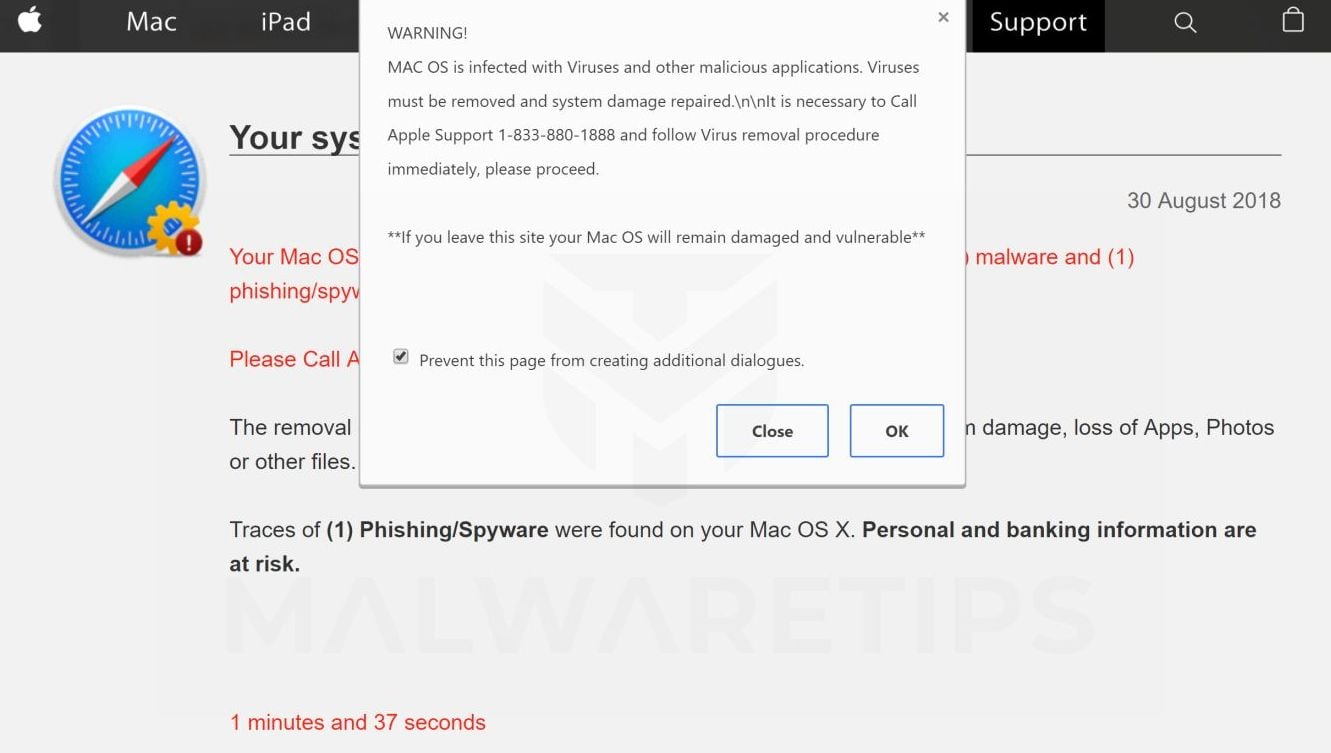
Advertising pop-ups are browser-related, so whatever browser you are using, be prepared for a thorough cleanup. First off, don’t buy into whatever the ad is telling you. Some scary alerts would mention 343 viruses found on your Mac forcing you to immediately install a “Mac Defender” or “Mac Security” tool. Just ignore it and don’t click anywhere on the pop-up. Use [x] button and if it doesn’t close the ad, Ctrl + click the browser icon to quit the browser completely.
How to block pop-up ads in Safari
- Open Safari preferences (in the top menu)
- Go to the Security tab
- Tick “Block pop-up windows”
How to get rid of pop-ups in Chrome
- Open Chrome Settings (a three-dot icon)
- Click Advanced
- Go to Privacy and security > Content setting
- Locate the Popups tab and block them from appearing
Additionally, make sure your browser’s homepage is set to standard Google page or other trusted source.
Clean up extensions to remove adware from Mac
Apple lists several browser extensions as potentially malicious. The list includes:
Amazon Shopping Assistant by Spigot Inc.
Slick Savings by Spigot Inc.
FlashMall
Cinema-Plus
This is just to give you an idea how different these adware extensions could be. But if you’re looking how to remove malware from Mac Safari browser, follow this path.
Remove extensions in Safari
- Go to Safari Preferences
- Choose the Extensions tab
- Select an extension and click Uninstall
Disable browser extensions in Chrome
And here’s how to remove malware from Mac Chrome. Open Chrome and click Window in the top menu. In the bottom of the list choose Extensions. This opens up the list of all your installed extensions. Now use a trash bin icon to remove the ones you suspect are adware viruses. Right after that, your Chrome experience should get much less distracting.
Just to be doubly sure, we recommend you to remove all the extensions you'll find. Later you can re-install each one separately.
Launch Agents and Daemons: Where else to look
So far we’ve covered browser Extensions, Applications, and Login Items trying to remove malware from your Mac. But these are not the only locations where malicious agents may be hiding. Another type of system services that could be affected by malware are the so-called Launch Agents and Daemons — yes, the name does derive from the word demon. These are small helper programs that stealthily run in the background, like software updaters or automatic backups.
While Launch Agents and Daemons are two different entities, both can be infiltrated by malware. As it often happens, trojan apps would place their executable files within the Launch Agents folder. The result — the virus app launches automatically and potentially harms or steals your data.
How to remove daemons and agents from the Mac’s startup
- Click Finder
- Choose Go > Go to Folder
- Type in: /Library/LaunchDaemons
For Launch Agents, repeat the steps above, but this time search in 2 more locations:
The more '+' you add, the more specific results will be found.Step 4. Please click the ' +' icon on the right corner as to filter the searching results. 
/Library/LaunchAgents
~/Library/LaunchAgents
Inside you’ll find a bunch of PLIST files and if some of them look suspicious to you, delete them. Sure, the names of these files may not be very telling, but if you already know the problematic app that you are after, knowing this folder may help you fully extinguish it.
Don’t forget to reboot your Mac — until you do, all these files are still in memory.
One more way to remove daemons, agents, and plug-ins
If the manual path described here sounds too complicated, you can again be rescued by CleanMyMac X. This app has a special tool to remove malware Launch Agents.
- Download CleanMyMac X (it’s free to download).
- Install the app.
- Click Optimization tab > Launch Agents
- Click Perform.
By the way this app has a real-time anti-malware monitor. It monitors for any problematic apps that try to get into your Launch Agents. If it finds such, it will notify you and offer to remove the intruder.
If all else fails
Below a few more ideas to help you remove malware from Mac.
- Switch to a different user account and do a full system cleanup.
- Restore your Mac using Time Machine (to the point before it got infected).
- Update all your software , including the macOS.
Best Free Mac Virus Removal
OK, looks we’ve covered how to remove malware from Mac including both manual and software solutions. Hope your Mac stays virus-free and may you never click on those scary Mac alerts again.
These might also interest you:
According to a report by Malwarebytes, Mac malware grew by 270% in 2017 and is set to grow even further this year. This took some people by surprise because macOS has always been seen as a safe operating system. Because Macs are more popular than ever, they’ve become a more attractive target.
Thankfully, the fact that Macs are Unix-based systems mean they remain a lot more secure than Windows PCs, while Apple’s built-in security features like Gatekeeper do a good job of blocking a lot of suspect software, there is a much greater chance that something will get through and infect your Mac.
So, let’s take a look at the best antivirus software on the market, starting with big guns at the premium end of the market and then top free options.
Best antivirus software for Mac
You should approach choosing antivirus software as if you were buying a new smartphone or computer — research until you’re absolutely sure you’ve found the right one. This doesn’t matter so much with free software where you’ve nothing really to lose but when you’re parting with your hard earned cash you need to know that the software is going to get the job done.
When it comes to reliable information, there’s no better place to get it than from the independent the labs — the researchers who make it their life’s work to rigorously test antivirus software. The researchers at AV-TEST, the independent IT-security test institute, regularly put ьacOS antivirus software through its paces.
In their most recent round of testing, the lab experts evaluated 12 of the top MacOS solutions on three criteria: protection, system load, and usability.
- Protection: the software’s ability to protect your system from malware
- System load: the software’s impact on system performance
- Usability: how easy the software is to navigate
Here are some of the best options on the market for keeping your Mac safe.
1. CleanMyMac X
CleanMyMac X is a utility tool with plenty going for it. Not only does it help you rid your system of threats, it continually scans your system for malware and offers immediate removal. It’s as simple and effective as malware protection gets.
In addition to that feature, the tool also has a vast range of options for ridding your system of junk files and keeping Mac performance at the top of its game. The ability to clean up old apps and files in a few clicks is the perfect complement to malware removal.
Pros:
DMG MORI is proud of its manufacturing capabilities in the United States. Our Davis, California campus consists of both our U.S. Factory and DMG MORI’s American Research and Development hub, which allows us to be closer to our North American customers. Dmg mori davis ca.
- Excellent malware scanning
- Real-time anti-malware monitor
- Good Uninstaller to remove 'undeletable' apps
- Removes lots of recent threats, including adware, spyware, and viruses
Cons:
It has a limited number of free Malware scans
2. Bitdefender
Cost: $39.99/year
A solid all-rounder that’s one of the best suites on the market. The multi-layer ransomware protection and adware removal are standout features, and the software’s ability to scan for Windows PC malware (a feature not available on some software) set it apart from the rest.
Pros:
- Excellent Mac integration
- Capable of scanning for Windows malware
Cons:
Other antivirus software for Mac has a greater range of features
3. Intego
Cost for the Premium Bundle X9: $39.99/year
Intego is a household name in Mac protection and does the job of keeping your computer free of malware in a no-fuss kind of way. It also scans for Windows malware. However, some of its great work is undone by its drain on system resources.
Pros:
- Firewall protection
- Accurate scanning
Cons:
- Limited features
- No website filtering
- Can affect performance
4. Symantec by Norton
Cost for Security Deluxe: $89.99/year
Norton antivirus comes with a reputation for outstanding performance and that’s what you get with Symantec. Its malware detection engine is second to none and you can use it across multiple Mac, iOS, Windows, or Android devices. Like Intego, it’s demanding on performance but not to a point where it’s annoying. The biggest drawback of Symantec is, unfortunately, the price. $89.99 a year is a lot of money, especially when you consider you can get antivirus software for free.
Pros:
- Works across a range of devices
- Excellent malware detection
- Firewall protection
Cons:
- Expensive
- Can affect system performance
5. Trend Micro
Cost: $39.95/year
Trend Micro is the kindest tool of the paid options for your system. You hardly notice it’s there. It integrates with your system well. Features like content filtering and social media privacy checking are useful, while the overall speed of scanning is excellent. The only real drawback is the lack of firewall protection.
Pros:
- Good all-around protection
- Built for compatibility with the latest MacOS
- Nice range of features
Cons:
No firewall protection
Other notable mentions include Kaspersky, which offers an outstanding range of features but is let down slightly by its user interface, and ClamXAV, which is a favorite of IT professionals and is available for a one-off fee, rather than a license. Unfortunately, ClamXAV doesn’t offer website filtering, phishing protection, or firewall protection.
Best free antivirus software for Mac
If you’ve looked at the prices of the paid options and balked a little, you’ll welcome this next bunch of software with open arms because they’re all free.
Free software doesn’t get the same fanfare as the paid products, mostly because it doesn’t have to push for sales at every given opportunity. But that doesn’t mean it won’t serve you just as well.
Free software tends to only be available for one device per download, however, if you only have one Mac to protect that’s all you need.
If you want to keep your Mac malware-free, these tools have you covered.
1. Sophos Home
Sophos is a paid tool that comes with a free version. This version is limited in what it can do but offers accurate scanning and features like website filtering and anti-phishing.
Pros:
- Good virus detection
- Easy to use
Cons:
Limited features
2. AVG
AVG’s free offering is one of the best around in terms of virus detection, scoring 100% in AV-TEST benchmarks. It’s easy to use too. Free, however, comes at the cost of system performance. The software takes up around 10% of system resources — quite a chunk when you consider Trend Micro only demands around 2% of resources.
Pros:
- Excellent scanning
- Good user interface
Cons:
Slows system performance
Which antivirus software for Mac should I use?
The antivirus software we’ve listed here is the best of the best. In truth, you could choose any and be happy with your purchase.
Of the paid options, Bitdefender is one of the standout options, simply for the accuracy of its virus scanning and ease of use. Symantec by Norton is known for being reliable and capable of defeating numerous threats, although it is a bit pricey. From the free options, AVG is the most effective, but it will consume around 10% of your Mac resources when it is running.
Whereas CleanMyMac X is a swiss army knife: it will protect from malware while removing clutter and freeing up much-needed space. It does everything you need and, alongside Mac’s built-in Gatekeeper, will protect you from the dangers that lurk on the internet.